Auto Enrolment Enquiry
Speak To Us Today
To speak with one of our team about auto enrolment, please fill in your details below and pick a time that suits.
info@symmetryfinancial.ie


Given the significant challenges facing first-time buyers today, from increasing property prices to a housing shortage, it’s no surprise that many are turning to government incentives, such as the First Home Scheme Ireland, to improve their chances of jumping on the property ladder.
While the benefits of the scheme are undeniable for those looking to bridge the gap between a mortgage, a deposit and the actual price of the house itself, some elements must be carefully considered to assess whether or not it’s the right path for you as a budding homeowner.
In this post, we break down the benefits of the First Home Scheme (FHS), while also examining the drawbacks, so you can make a confident and educated decision on your next move.
The First Home Scheme is a government-funded shared equity programme that helps eligible first-time buyers purchase or build a new home. It works by contributing up to 30% of the property’s cost in a bid to make homeownership more affordable for novice house hunters.
In exchange for funds allocated through the scheme, the State and participating banks take an equivalent share of ownership in the home.
The First Home Scheme can be used in tandem with the Help to Buy (HTB) Scheme, but in such cases, the maximum contribution from FHS cannot exceed 20%.
To qualify for the FHS, there are several important boxes you must tick:
As of December 2025, the number of successful applicants for the First Home Scheme stood at 9,008. With almost 3,000 buyers gaining approval over the course of last year alone, it appears the scheme’s popularity is on the rise.
The First Home Scheme can be an extremely powerful tool that facilitates homeownership at a time when the odds seem stacked against first-time buyers. However, its long-term financial implications should be considered carefully.
Let’s dive into the pros and cons of the initiative to give you a clearer picture of all that’s involved:
One of the biggest obstacles facing first-time buyers is the need to present a 10% deposit towards the cost of a new home. Given the rise in property prices, this can often feel unmanageable for many struggling to cover regular expenses, let alone save for a house.
While buyers must still meet the 10% deposit requirement, the First Home Scheme helps bridge the gap between what you can borrow and the price of a new home, making home ownership possible for those who qualify but fall short under standard lending limits.
The most tangible benefit is that the FHS makes it easier to get on the property ladder by bridging the gap between what you can borrow and the price of the house, leading to more affordable monthly repayments.
You don’t have to be a traditional first-time buyer to qualify for the First Home Scheme; if you’ve lost a home through separation, insolvency or other relevant circumstances, or if you’re planning a self-build, you may still be eligible.
The FHS doesn’t require you to make repayments on the State’s equity share for the initial five years following approval, which gives you time to reinstate your financial footing before another regular expense is introduced.
To avail of the FHS, you must acquire your mortgage through one of the participating financial institutions (Bank of Ireland, PTSB and AIB Group). This means you might miss out on more favourable terms offered by other lenders that may be better suited to your individual circumstances.
It could also cause problems if you decide to switch lenders or sell down the line, but you only need to redeem the State’s share if you move your mortgage to a lender that isn’t a participating lender or if you sell the property, as switching between participating lenders does not trigger redemption.
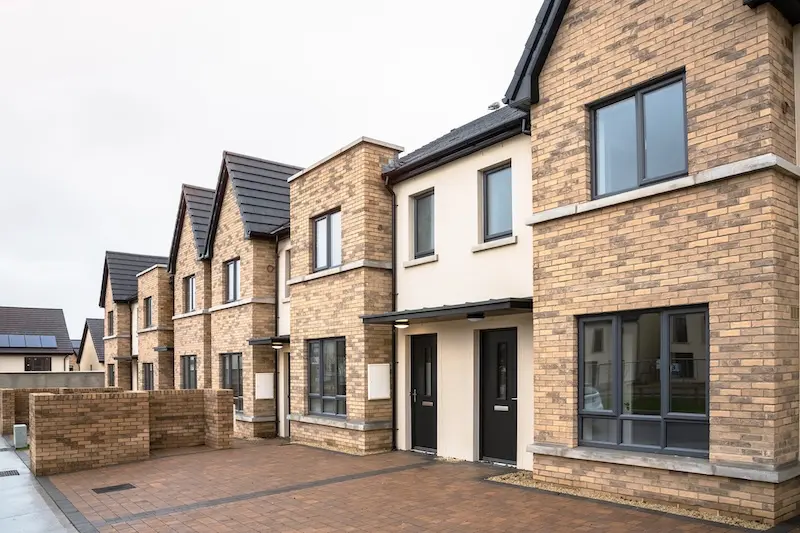
Given that second-hand properties are not included within the scheme’s remit, this limits options for many first-time buyers.
The regional price caps can further reduce the scope of the scheme, although it’s worth noting that these caps increased in 17 local authority areas on the 1st January 2026.
While the first five years will be free of equity repayments, annual service charges on the State’s share of your home will apply after this point.
The longer it takes you to repay this share, the higher the costs will become over time.
If the value of your house rises over time, so too will the amount of money you owe the State. This can often make repayments more difficult, particularly if your property is in an area experiencing a resurgence in investor interest.
The First Home Scheme undoubtedly opens doors for first-time buyers, but it’s important to understand both the short-term savings and the longer-term costs before signing on the dotted line.
With informed planning and the right advice, you can decide if it’s the stepping stone you need toward homeownership. This is where Symmetry Financial comes in.
We specialise in mortgage advice and first-time buyer guidance, helping you understand options like FHS, Help to Buy, and various lender choices, empowering you to find the path that suits your goals and finances.
Contact our team today to discover the many options available to first-time buyers!
If you’d like a free, no-obligation consultation for your mortgage, pension or financial needs, get in touch here, call us on 01 6831673 or email us directly on info@symmetryfinancial.ie.

The Mortgage Process Explained